How to Remove a Nest of Wasps Securely in Toronto
Is it really safe to remove a wasp nest by yourself?
In some cases, a tiny nest of wasps may appear easy to handle, but safe removal is not just about how big it is. The actual hazard comes from worker wasps defending the colony, especially when the nest is bothered. Biting insects can move fast, and a few seconds of hesitation can turn into a simple job into a painful incident.
If you are considering DIY pest control, the first question should always be whether you have enough space, a clear view, and protective gear to stay safe. Even then, the nest may be harder to access than it appears. A nest hidden in a soffit, wall void, attic, or hedge can make safe extraction much more complicated. In those situations, the chance of repeated stings, structural damage, or incomplete removal increases rapidly.
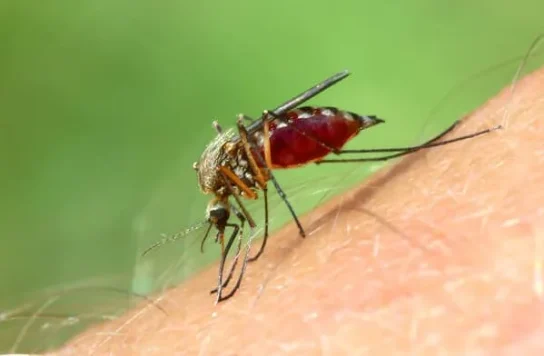
Toronto homeowners often deal with wasps in late summer and early fall, when seasonal swarming spikes and colonies become more aggressive. That timing matters because wasps are more defensive once the nest is mature and food becomes scarce. If you see heavy traffic around a nest, there is a higher pest risk and a greater need for safety precautions.
Mosquito Man Toronto224 King St W #2401, Toronto, ON M5J 0A6, Canada
+16472437241
https://maps.app.goo.gl/VbxNrosScd6ZL8U39
https://mosquitoman.ca/pest-control/toronto/
JJX7+23 Toronto, Ontario, Canada
It is also worth noting that a nest may not be isolated. Wasps may be entering through multiple access points, and disturbing one nest can expose another problem nearby. For that reason, many people find that a professional assessment is safer than trying to improvise with a ladder and a can of spray.
General rule: if you cannot reach the nest comfortably from the ground, or if you can hear buzzing inside a wall or ceiling, it is usually not a good DIY job.Identifying the kind of nest and wasp species
Correct identification is one of the most important stages in wasp control. Different species act differently, make different nest types, and respond differently to treatment. The most frequent species homeowners ask about are paper wasps, yellowjackets, and hornets.
Paper wasps frequently create open, umbrella-like nests with visible cells. These nests are commonly found under eaves, deck rails, and sheltered corners. They are often easier to see, but that does not mean they are harmless. If the nest is active, the wasps can also swarm quickly when threatened.
Yellowjackets are typically more aggressive than paper wasps and are a major reason many people search for pest help in Toronto. They may build nests underground, inside wall voids, or in sheltered cavities. A ground nest can be especially dangerous because it is easy to step on or disturb accidentally.
Hornets are bigger and can also create substantial nests in trees, soffits, attics, or dense shrubs. These nests may be easier to spot and can appear as a large, enclosed mass. Aerial colonies are often harder to treat safely because they may sit high off the ground, creating access and ladder risks.
An aerial nest is frequently found on trees, under overhangs, or near upper exterior surfaces. By contrast, a hidden nest inside a wall is harder to diagnose, because you may only hear buzzing or notice https://caledon-onos457.novacrestiq.com/posts/how-much-does-bed-bug-treatment-cost-in-ontario wasps entering a single gap. That is why proper inspection is essential before any attempt at removal.
In Toronto, detached homes, semi-detached homes, condos, and townhouses all have different nest patterns. On older detached homes, nests often appear around eaves and rooflines. On townhouses, shared walls and narrow side passages can make access difficult. Condo balconies can also attract nests if food, clutter, or shelter is available.
When to reach out to pest control Toronto over DIY
Looking for pest control Toronto or even pest control near me often is the right move when the nest is still active, out of sight, or hard to access. If you are facing a true wasp infestation, the DIY route can bring more risk than benefit. Professional help is especially useful when the nest location is inside a wall, above a second-storey eave, under a roof edge, or near a high-traffic outdoor area.
Reach out to a professional earlier if anyone in the home has a sting allergy, if pets or children use the area often, or if the nest is in a place where escape is difficult. A licensed exterminator has the right equipment, experience, and protective gear to reduce risk and handle the job effectively.
Another reason to skip DIY is uncertainty. Not every flying insect nest is a wasp nest, and misidentifying the species can lead to the wrong treatment. In addition, some nests can be difficult to assess from the ground. If you cannot easily spot the nest or the wasp traffic, professional inspection is the safer choice.
Toronto service timing can also make a difference. Across the city and the GTA, response times may vary depending on whether you are in Toronto, Scarborough, Etobicoke, North York, or nearby suburbs. In busy late-summer periods, availability can fill up fast, so it helps to book early if the nest is active.
If you are comparing providers, you may also see searches like pest control mississauga, pest control london ontario, pest control kitchener, or pest control fredericton nb. Those services are not the same market as Toronto, but the comparison shows how local demand and response times can differ. Even names like adams pest control fredericton and adams pest control moncton reflect how regional service availability changes by city.
Step-by-step: how experts safely remove a wasp nest
A trained pest control technician follows a controlled approach designed for safe taking down rather than fast guesswork. The purpose is not just to bring the nest down. It is to eliminate the colony, reduce the chance of stings, and prevent future activity.
To begin comes inspection. The technician identifies the species, checks the nest size, and looks at the surrounding area for nest access points and secondary activity. This step helps determine whether the nest is in an visible location or concealed behind siding, soffits, or structural voids.
Next is treatment. Depending on the situation, the technician may use an insecticide or insecticide treatment targeted for wasps. The application method matters. Professionals decide on a method based on nest location, colony activity, and whether the nest is open, enclosed, or concealed.
Once the colony has been treated, nest removal can begin. For visible nests, this may involve delicate physical removal after the wasps are no longer active. For concealed nests, additional steps may be needed to address access points and lower the chance of lingering insects.

A good service also includes a follow-up inspection or follow-up service. This is important because wasps can return to the same area if the original issue was not fully resolved. A follow-up visit can check that the colony is inactive and that no new activity has started nearby.
Professionals are also better equipped for tricky locations, such as a nest above a deck, behind a vent, or under a balcony. They can manage the job with fewer safety risks than a homeowner using a step ladder, a flashlight, and a can of spray.
What influences pest control Toronto price for wasp control?
The pest control Toronto cost for wasp removal varies based on several practical factors, not just the species. The primary variables are nest accessibility, size, location, and how straightforward it is for the technician to treat the area safely. In general, a nest in a easy-to-spot, accessible spot costs less to address than one inside a wall or high on a roofline.
Local pricing also reflects broader pest control cost Ontario trends. Urban jobs can involve restricted access, parking limitations, multi-unit building rules, and additional labour time. In Toronto, those details can shape the service call more than many homeowners expect.
For example, a ground-level nest in a detached home backyard may be easier than a nest on a third-floor condo balcony or in a shared townhouse soffit. A hidden nest in a multi-unit building can also require coordination with property management, which can affect timing and cost.
You may also see price comparisons for other cities, such as pest control edmonton prices, pest control brampton prices, or pest control hamilton prices. Those searches are helpful for context, but Toronto pricing is shaped by local labour, access, and building type. That is why one quote can differ from another even when the problem seems similar.
For perspective, a cockroach exterminator toronto cost inquiry often reflects the same principle: the final price depends on inspection findings, access, and the treatment plan. Wasp removal is comparable. You are not just paying for spray; you are paying for diagnosis, safety, and proper completion.
If you want an accurate estimate, ask whether the quote includes inspection, treatment, removal, and any follow-up service. The lowest upfront price is not always the best value if the nest returns.
How to keep wasps from reappearing
Stopping wasps is often easier than taking down an active nest. Start by looking for open entry points around your home, especially around vents, siding gaps, fascia boards, and utility openings. Small gaps can be enough for wasps to enter and start nesting again.
Sealing cracks is one of the most effective long-term steps. Filling gaps around trim, repairing damaged screens, and closing openings near roof edges can reduce nest-building opportunities. Focus especially on eaves, since these sheltered areas are common nesting spots in Toronto homes.
Food waste also attracts wasps. Outdoor garbage bins, compost, pet food, sugary drinks, and uncovered food can all create an attractive environment. Keeping lids tight and cleaning up spills quickly can make your yard less attractive during peak activity.
Yards should be checked regularly for new attachment points, especially near deck rails, sheds, and covered seating areas. If you have had a nest before, keep an eye on the same zone during late summer and early fall, when seasonal pressure is highest.
For Toronto homeowners, small prevention habits can go a long way. A brief monthly exterior walk-around can help you notice new gaps, early nest starts, or heavy wasp traffic before the problem becomes serious.
Frequently asked questions about pest control prices locally
Many homeowners typing pest control near me prices need a simple answer, but the actual answer depends on the work. A wasp control service quote is usually influenced by nest size, species, access, and urgency. A nest spotted early in the season may be easier to handle than one that has been growing for weeks.
A further consideration is seasonal demand. Late summer can bring more calls, which may influence scheduling and availability. This is true in Toronto and across the GTA, especially when multiple homeowners are dealing with the same increase in activity.
Some people evaluate the best pest control near me options by looking only at price. That can be a problem. Experience, response time, insurance, and treatment method matter every bit as much. A cheaper service is not helpful if it leaves the nest active or does not resolve the access problem.
Prices can also change by building type and neighbourhood. Detached homes may be straightforward, but multi-unit properties, condos, and townhouses can involve more coordination and additional safety checks. When you ask for an estimate, make sure the provider knows the exact location and height of the nest.
If you are seeking quotes, ask for a clear explanation of what is included. That usually tells you a lot more than the headline number.
Toronto-focused guidance for houses, apartments, and lawns
In Toronto, ON, where residences vary from detached houses to condominiums and townhouses, wasp problems can look distinctly different from one address to the next. In the GTA, homes in Scarborough, Etobicoke, and North York may also have different access issues depending on lot size, building age, and exterior design.
On detached and semi-detached homes, check near rooflines, porch ceilings, and back decks. On townhouses, side alleys, shared soffits, and rear walkouts are frequent trouble spots. On a condo balcony, wasps may be lured to flower pots, bins, or sheltered corners where they can settle with little interference.
Outdoor sheds are another frequent issue. They offer shade, structure, and calm, which makes them attractive nesting sites. If you store tools, cushions, or garden supplies in the shed, watch upper corners and door frames for initial nest activity.
For Toronto’s late-summer and early-fall wasp activity surge is especially important for property owners and property managers. During that period, nests are more likely to become aggressive, and quick action is often better than waiting for the season to end. If the nest is active near a walkway, patio, or family area, a local pest control Toronto provider can usually assess the situation more rapidly than a general DIY approach.
For multi-unit buildings, it is wise to consult property management at the outset. Common walls and communal exterior areas can make difficult access, and a treatment plan may need to take into account neighbours, balcony restrictions, or building rules.
Frequently Asked Questions
How do I take out a wasp nest without risk without getting stung?
The smartest answer is to maintain your space and determine whether the nest is within reach without leaving yourself to a swarm of insects. Wear protective clothing only if you are dealing with a very small obvious nest and you can back away fast. If the nest is substantial, elevated, out of sight, or heavily active, the most secure solution is professional removal. The higher the number of stinging insects you notice moving in and out, the greater the risk.
Can I spray a wasp nest myself at night?
Nighttime can reduce wasp activity, but it does not make the job safe. Many homeowners assume that a can of wasp spray solves the problem, but a nest can still react if disturbed. If you attempt any DIY removal, use extreme safety precautions, stand at a safe distance, and have a safe escape path. If the nest is in a wall, under a roof edge, or above reach, call a professional exterminator instead.
When is the best time to remove a wasp nest in Toronto?
Early detection is best, before the nest becomes large and the colony harder to approach. In Toronto, many homeowners notice the problem during late summer and early fall, when wasps are more active and aggressive. That is often the right time to act fast, especially if the nest is near a patio, entrance, or family area. Waiting usually increases the difficulty of safe removal.
How much does wasp pest control Toronto cost?
Pest control Toronto cost for wasps depends on nest size, height, access, and whether the nest is out of sight or exposed. A simple exterior nest may cost less than a job involving attic access, multi-unit coordination, or a difficult nest location. In Ontario, pest control cost Ontario also varies by service call details and urgency, so it is best to request a site-specific estimate.
Should I call an exterminator for a small wasp nest?
Absolutely, if the nest is in a risky place or if you are not confident about removal. A small nest can still become a bigger issue fast, and the wrong move can trigger a swarm. If it is near children, pets, a doorway, or a balcony, calling an exterminator is usually the better choice. The cost of professional help is often lower than the risk of stings, property damage, or an unfinished nest removal.